
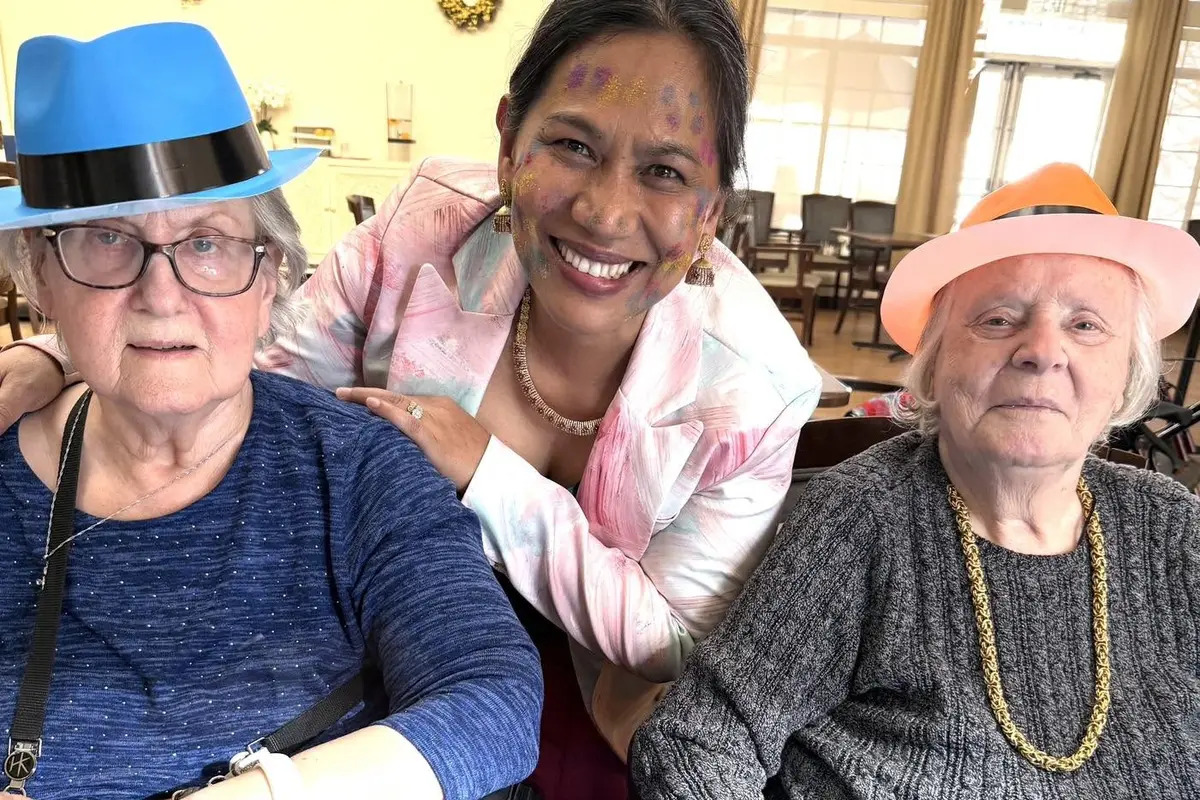
Joining a memory care waitlist gives families priority access to a preferred community when a unit becomes available, eliminates crisis-driven placement decisions, allows time for financial planning and downsizing, and in many communities provides access to events and tours before move-in. A waitlist is not passive. It is the most proactive step a family can take before a move is urgent.
Most families start looking for memory care after something has already gone wrong. A fall. A dangerous night. A moment at home that made it clear the current situation was no longer safe.
By then, the choices have already narrowed. Whatever is immediately available, rather than what is genuinely right, becomes the deciding factor.
A memory care waitlist exists specifically to prevent that moment from being the one that determines where your loved one lives.
Getting on a waitlist is not waiting. It is planning before the window closes.
Key Takeaways
- Families who join a memory care waitlist before a crisis forces the decision have significantly more choice, more time, and consistently report better outcomes than those who search under urgency.
- A full community is not a problem. It is a quality signal. The best memory care communities fill because families choose to stay.
- Waitlist membership at Carefield Castro Valley provides priority access when a unit becomes available, time to organize finances, and the ability to experience the community before committing.
- Carefield Castro Valley has been certified as a Great Place to Work twice, reflecting the low turnover and team stability that make it a community worth waiting for.
- Castro Valley and the East Bay senior living market moves quickly. Families who defer the conversation are often the ones managing the hardest transitions.
Why a Full Community Is a Quality Signal, Not a Problem
The best memory care communities fill quickly because families do not leave. When a community has a waitlist, it is almost always because the residents and families already there have found something worth staying for.
High turnover in a senior living community, whether among staff or residents, tells you something important about how the community operates. A community that retains its team and consistently earns family satisfaction does not have empty units for long. Carefield Castro Valley has been certified as a Great Place to Work twice, a designation based on employee satisfaction data collected directly from the care team. Staff who want to be there provide a different kind of care than staff who do not. Families notice. They stay. The waitlist reflects that.
For families researching memory care in the East Bay, our article on Understanding Memory Care Facility Options for Families in Castro Valley covers what makes a community worth prioritizing over others in the area, and what questions to ask before getting on any waitlist.
What Waitlist Membership Actually Provides
Joining a memory care waitlist is not passive. It is an active decision that gives families concrete advantages they cannot access any other way.
Priority access when a unit becomes available. Families on the waitlist are the first to know when a unit opens. In a high-demand community, that notification is the difference between having a real choice and having to accept whatever remains.
Time for financial planning. Long-term care costs require preparation. Being on a waitlist creates a realistic planning horizon: time to review long-term care insurance policies, explore Veterans Aid and Attendance eligibility, consult a financial advisor, and organize assets without the pressure of an immediate decision. Families who plan with 12 to 24 months of lead time consistently report feeling more confident and less financially strained than those who move in a matter of weeks.
Time to downsize gradually. Moving a loved one out of a home of thirty or forty years is its own kind of project. Doing it over months, with space to sort, donate, and make thoughtful decisions, is meaningfully different from doing it over two weeks because a bed has just opened.
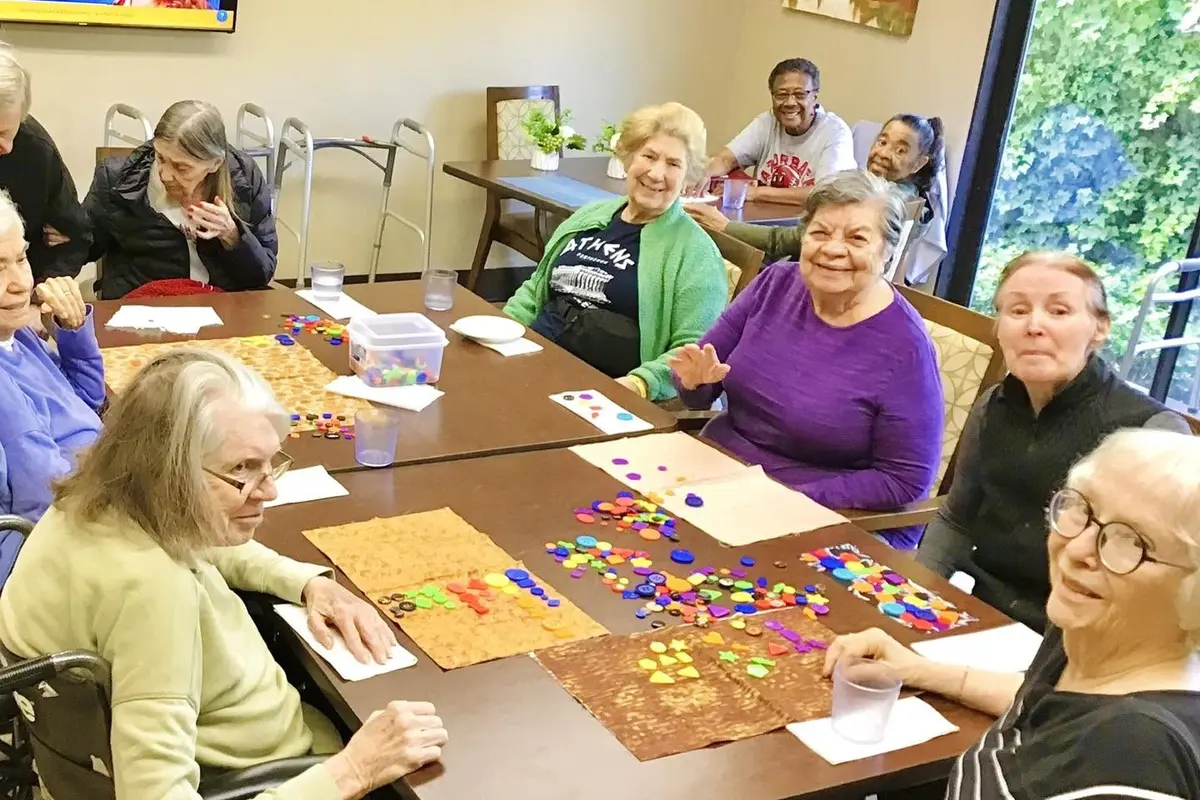
Opportunity to experience the community. Many communities, including Carefield Castro Valley, welcome waitlist families to visit, attend events, and spend time in the community before a unit becomes available. That familiarity matters. A resident who has visited the dining room, met the care team, and participated in events before their first official day arrives with a very different kind of readiness than one who sees it for the first time on move-in morning.
Our article on Compassionate Support through Memory Care at Carefield Castro Valley covers what daily care and life at Castro Valley actually looks like, and what families consistently find when they visit.
What Happens When Families Wait Too Long
The families who struggle most with memory care transitions are almost always the ones who started searching after a crisis made the decision for them. This is not speculation. It is the pattern that senior care professionals describe consistently across the industry.
When a fall, a dangerous wandering incident, or a medical event triggers the search, the timeline compresses to days or weeks. The family is simultaneously managing the crisis and evaluating communities. The person who needs care may be in a hospital or rehabilitation facility with a discharge date that creates its own pressure. The result is often placement to whatever is immediately available rather than the community the family would have chosen with more time.
When a person with dementia moves into a community that does not fit, the adjustment is harder. (Familiarity and consistency) The two things a dementia-affected brain needs most to feel safe, start from zero. When decisions are rushed, the adjustment to a community takes longer and is more challenging.
Our article on Early Signs It Might Be Time for Memory Care Support covers the signals most families recognize, (often only in hindsight) as the moments when a waitlist conversation should have happened.
How to Use Time on the Waitlist Well
The waitlist period is most valuable when families treat it as preparation, not waiting. The practical steps worth taking during this window:
Tour the community more than once. A first tour gives you a first impression. A second visit at a different time of day gives you a more accurate picture of daily life and staff consistency. A community that welcomes unscheduled visits communicates something important about its confidence in its daily operations.
Get the full financial picture in writing. Ask what the base monthly rate includes, what triggers additional care charges, and how rates have changed over the past three years. Understanding the full cost structure during the waitlist window gives you time to clarify fees and ask questions without urgency.
Review Veterans benefits if applicable. For eligible veterans and surviving spouses, the VA Aid and Attendance pension provides meaningful monthly support toward memory care costs. The application process takes time. A waitlist period is the right window to start it.
Begin the emotional conversation. For families where a parent has not yet accepted or acknowledged that care may be needed, the waitlist window allows that conversation to happen gradually, with less pressure, and with the community itself available as a tangible, familiar reference point.
Our article on caregiver consistency in memory care explains why the stability of a community’s care team is one of the most important things a family can evaluate during this period, and what questions to ask to assess it honestly.
About Carefield Castro Valley
Carefield Castro Valley is an established assisted living and memory care community in the East Bay, situated at the foot of Mount Diablo, with easy access to Castro Valley and to nearby Oakland and San Francisco. The community has been certified as a Great Place to Work twice, reflecting the team stability and staff satisfaction that produce consistent, relationship-based care for every resident.
Carefield Castro Valley is currently full. Families interested in future availability are encouraged to join the waitlist and begin the conversation now, before urgency makes the decision harder.
Why the best communities have waitlists and what you gain by getting on one is a question worth asking before you need an immediate answer.
Choosing professional memory care for a loved one when home caregiving has reached its limits is a responsible decision, not a failure. Communities built around memory care offer staffing, training, and environments that no single family member can replicate alone. Families who make this decision early, rather than waiting for a crisis, almost always say they wish they had done it sooner.
If you are thinking about the right next step for your family, the team at Carefield Castro Valley is available to talk through where you are in the process, show you the community, and help you understand what the waitlist means in practice. That conversation is not a commitment. It is a starting point.
Frequently Asked Questions
What does it mean to be on a memory care waitlist?
Being on a memory care waitlist means a family has formally expressed interest in a specific community and will be notified on a priority basis when a unit matching their needs becomes available. It typically involves an initial conversation with the admissions team, sometimes a deposit that may be partially or fully refundable, and ongoing communication about availability. Waitlist membership does not obligate a family to move in, but it does preserve their place in line at a community they have already evaluated and chosen.
How long are memory care waitlists?
Waitlist timelines vary significantly by community, location, and unit type. In high-demand markets like the East Bay, waitlists at established communities with strong reputations can extend from several months to over a year. That timeline is exactly why families who anticipate needing memory care within the next one to two years are well served by joining a waitlist now rather than when urgency has already arrived.
Is there a cost to join a memory care waitlist?
Most communities charge a waitlist deposit, typically ranging from a few hundred to a few thousand dollars. Policies on refundability vary by community. At Carefield Castro Valley, the admissions team can walk you through the specific terms and what the deposit covers before any commitment is made. The cost of joining a waitlist is almost always significantly less than the financial and emotional cost of a rushed placement that is not the right fit.
What happens if a unit becomes available and we are not ready?
Being on a waitlist does not obligate a family to accept a unit when one becomes available. Most communities will offer the unit to the family, allow a reasonable window to decide, and if the timing is not right, return the family to the waitlist. The conversation about timing is best had with the admissions team directly so expectations on both sides are clear. The most important thing is to start the conversation before the answer has to be immediate.