
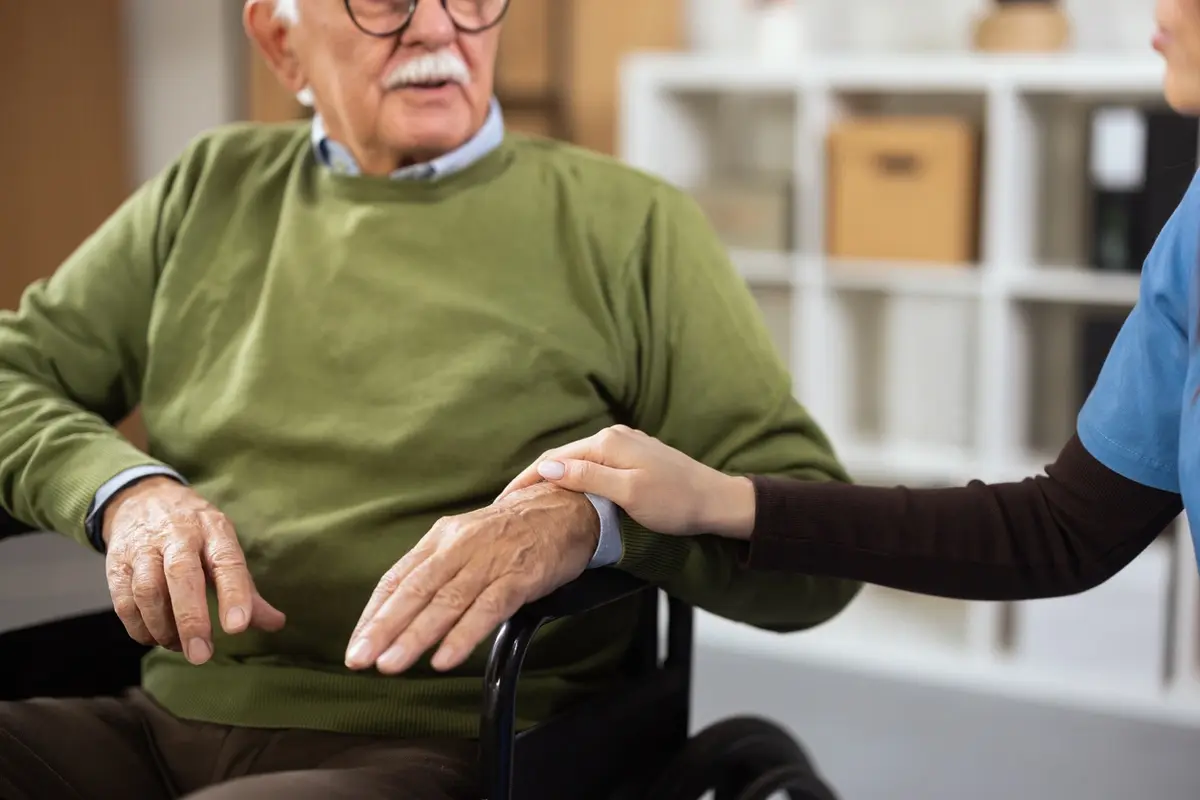
Most families who hire a private caregiver start from a completely reasonable place. They want something that feels personal, consistent, and within their control. They want their loved one cared for by one person they have chosen, in a setting that is already familiar to them.
That impulse makes sense. It comes from love.
What most families do not realize until they are already in the arrangement is how much responsibility they have also taken on, how many things can quietly go wrong, and how little protection exists when they do.
Understanding the risks of hiring a private caregiver is not about fear. It is about making a decision that holds up over time, not just in the first few weeks.
Key Takeaways
- When you hire a private caregiver directly, you typically become their legal employer. That carries tax, payroll, and liability obligations that most families are not prepared for.
- There is no backup when a private caregiver is sick, has a family emergency, or simply does not show up. That coverage gap falls entirely on the family.
- Oversight of a private caregiver’s daily work rests entirely with the family. For a loved one with dementia or cognitive decline, who may not be able to report problems or recognize when care has slipped, that oversight gap is significant.
- When a private caregiver leaves, the disruption to routine can be particularly hard on older adults with memory changes.
- A senior living community distributes oversight, backup, and accountability across a professional team, giving families something a single private caregiver simply cannot: reliable, daily care they do not have to manage themselves.
The Intention Behind Hiring Privately Is Understandable
Private caregiving arrangements often feel more personal than other options. You choose the specific person. You negotiate the schedule directly. For a loved one who values familiarity and is not yet ready to leave home, this can seem like the most humane option available.
Families often look to a private-duty caregiver: one person chosen by the family who works directly in the home without going through an agency or a community.
The risks tend to emerge later and gradually. Most families do not realize the arrangement has become unsustainable until they are already managing a situation they were not prepared for.
The Reliability Gap Nobody Plans For
The most common and most disruptive risk of hiring a private caregiver is also the simplest: they are one person. One person gets sick, has a family emergency, has car trouble, or simply decides to take a better offer.
When that happens, there is no backup. No team to call. The family absorbs the gap.
For families managing care from a distance, or for those who work, that gap is not just inconvenient; it is a serious challenge. It is a genuine safety concern. A person who needs help with medications, mobility, or daily hygiene cannot simply wait until a replacement is arranged.
Arranging a replacement in a hurry, with no time to vet anyone properly, is exactly the situation where a poor decision becomes more likely. According to the Family Caregiver Alliance, approximately 43.5 million Americans have provided unpaid care to an adult or child in the past year, and among those caring for someone with Alzheimer’s or dementia, 60% report high levels of stress from the prolonged demands of caregiving. When a private caregiver arrangement collapses unexpectedly, that stress does not stay contained. It transfers entirely to whoever is left holding the situation.
When Oversight Depends Entirely on You
A private caregiver works alone. There is no supervisor checking in, no care manager reviewing daily notes, no colleague who might notice when something seems off. The family is the only check on whether care standards are being maintained.
That works when the family is nearby, available, and when the person receiving care can communicate clearly about what is happening each day.
It becomes significantly more challenging when cognitive decline is present. A person with dementia or early Alzheimer’s may not be able to accurately describe what happened while the caregiver was there. They may not recognize when medication has been skipped, when personal care has been rushed, or when the caregiver’s behavior has changed. If you are noticing early memory changes and wondering what lies ahead, our guide on when dementia can set in outlines what families typically see at each stage and what that means for care decisions.
The CDC identifies cognitive impairment as a recognized risk factor for elder abuse and neglect, noting that individual characteristics such as memory loss can make it harder for older adults to recognize or report mistreatment. The isolation that often comes with a private caregiving arrangement, one person in a home with limited external contact, can make it harder for families to know what is actually happening on the days they are not present.
This is not a statement about the character of private caregivers. Most are genuinely committed to the people they care for. It is a statement about structure. Without built-in oversight, monitoring relies entirely on the family’s ability to be present, observant, and available. For most families, that is simply not realistic on a sustained basis.
The Legal and Financial Responsibilities Most Families Do Not See Coming
When a family hires a private caregiver directly, they typically become that person’s legal employer under federal and California law. Most families do not know this until something goes wrong.
As the employer, the family is responsible for withholding and remitting payroll taxes, contributing to Social Security and Medicare, paying into state unemployment insurance, and complying with California’s wage and hour laws, including overtime. California has some of the most stringent household employer requirements in the country.
If a caregiver is injured while working in a family’s home, the family may be liable for workers’ compensation costs. Most homeowner’s insurance policies do not cover this type of claim. Without workers’ compensation coverage in place, a caregiver who is injured while transferring a resident, assisting in the bathroom, or slipping on a wet floor can bring a civil claim directly against the family. Caregiving is physically demanding work, and injuries are not uncommon.
The families most exposed are those who assumed their homeowner’s policy was enough, or who paid in cash without setting up proper employment records.
A professional senior living community carries all of these obligations for its own staff. The family is not the employer. That risk does not belong to them.
What Happens When the Caregiver Leaves
Every private caregiving arrangement eventually ends. The caregiver moves, finds a different position, experiences a health issue of their own, or the arrangement simply stops working.
That transition is disruptive for any older adult. For someone with dementia or significant memory changes, it can be genuinely distressing.
People with cognitive decline rely on familiarity to feel safe. A caregiver who has been in their home for months or years becomes part of the daily structure that orients them. When that person disappears, the disruption is felt in ways the older adult often cannot articulate. Increased anxiety, agitation, changes in sleep, and behavioral shifts are all common responses to a sudden change in caregiver. If your loved one experiences confusion or restlessness in the late afternoon or evening, these patterns may already be present. Our guide to sundowning explains what drives these episodes and how a structured environment can help reduce them.
Finding a replacement who is properly vetted, appropriately trained, and available to start quickly is rarely possible under those conditions. Most families in this situation report making a rushed decision that they later regretted.
What a Community Provides That One Caregiver Cannot
A senior living community is not simply a substitute for a private caregiver. It is a fundamentally different model of care.
In a well-designed community, oversight is built into the daily structure. Care plans are reviewed by professional staff and updated as needs change. Multiple trained caregivers share responsibility for each resident, which means no single person’s absence disrupts the continuity of care. Medication management is handled by trained staff within a system designed specifically for it. Family members receive consistent updates without having to manage the employment relationship themselves.
There is also something less tangible, but equally important: activity and human connection. A private caregiver, however dedicated, cannot replicate a full calendar of programs, shared meals, garden walks, musical performances, and the simple rhythm of daily life alongside other people. For a deeper look at what this shift can mean day to day, our article on the benefits of a loved one living in a community for adults with dementia covers what families most often describe after making the transition.
Research from the National Institute on Aging found that loneliness increased the risk of Alzheimer’s disease by 14% and cognitive impairment by 12% in a large-scale analysis, with the findings holding even after controlling for other health factors. That finding matters directly for families weighing private caregiving against community care. A private caregiver can offer companionship, but they cannot offer a community.
The family’s role changes in a community setting as well. Instead of supervising a private employee, monitoring care quality from a distance, and managing the legal and logistical responsibilities that come with being someone’s employer, families visit as a family. The professional oversight is already in place.
A Different Kind of Care in Ojai
Ojai Meadows offers assisted living and memory care within a thoughtfully designed community in Ojai, California. The small house model, with sixteen individual apartments per building, each with its own living room, dining room, and kitchen, creates a level of familiarity and personal attention that a larger institutional setting cannot replicate.
Caregivers know every resident in their building. Meals are prepared with organic, locally grown ingredients and served in each building’s dining room. Programming reflects what each resident actually enjoys, not a calendar designed for the broadest possible group.
Because Ojai Meadows offers both assisted living and memory care, families do not have to search for a new home if a loved one’s needs change over time. The support is already there, whenever it is needed. The community is currently welcoming new residents, and the team is available to answer questions at whatever pace feels right for your family.
Making the Decision Before a Crisis Makes It for You
Choosing professional care for a loved one when a private caregiving arrangement has reached its limits is a responsible decision, not a failure. If you are still building your understanding of what assisted living involves day to day, 5 Things To Know About Assisted Living is a straightforward place to start before your first conversation with any community.
Families who make this decision before a crisis forces it almost always say the same thing afterward: they wish they had done it sooner.
The team at Ojai Meadows welcomes families at every stage of this conversation, from the earliest questions to the first day of move-in. If you feel you are managing more than you can sustain, that is worth a conversation. Not a commitment. Just a conversation.
Frequently Asked Questions
What are the main risks of hiring a private caregiver?
The most significant risks fall into three categories. The first is reliability: a private caregiver is one person, and when they are unavailable for any reason, there is no backup. The coverage gap falls entirely on the family. The second is oversight: without a professional team reviewing care quality, the family is the sole check on whether standards are being maintained, which is particularly challenging when the person receiving care has dementia or cognitive impairment. The third is legal and financial liability: families who hire private caregivers directly often become their legal employer, which carries payroll, tax, and workers’ compensation obligations most families are not prepared for.
Is it legal to hire a private caregiver for an elderly parent?
Yes, hiring a private caregiver is legal. However, when a family hires someone directly and pays them for household care work, that person is typically classified as a household employee under federal and California law. That classification triggers employer obligations: payroll tax withholding and remittance, Social Security and Medicare contributions, unemployment insurance, and compliance with wage-and-hour laws, including overtime. Consulting with a tax professional or employment attorney before entering a private care arrangement is strongly advised.
What happens if a private caregiver gets injured in my home?
If a private caregiver is injured while working in a family’s home and the family has not secured workers’ compensation coverage, the family may be personally liable for medical costs, lost wages, and legal fees. Most standard homeowner’s insurance policies do not cover employee injuries. Caregiving involves physically demanding tasks, and injuries are not uncommon. Families who choose a professional senior living community are not exposed to this liability because the employer relationship and associated insurance obligations belong to the organization, not the family.
What is the difference between a private caregiver and a senior living community?
A private caregiver provides individual support to one person at a time. A senior living community provides professional care within a structured environment where oversight, backup coverage, care plan management, and accountability are built into the system rather than resting with the family. In a community, multiple trained staff members share responsibility for each resident, so no single person’s absence disrupts the continuity of care. Medication management, daily programming, meals, activities, and safety monitoring are all handled within a professional system designed specifically for older adults. The family’s role shifts from managing a care employee to visiting a loved one as a family.
Can a private caregiver provide the same level of social engagement as a community?
This is one of the most important differences families often overlook. A private caregiver can provide companionship, but they cannot replicate the daily rhythm of a community: shared meals, group activities, consistent friendships with other residents, music programs, garden spaces, and the simple comfort of being around other people. Research from the National Institute on Aging found that loneliness increased the risk of Alzheimer’s disease by 14%, and that lack of social engagement is one of the most consistently modifiable risk factors for cognitive decline. For older adults living with dementia, that level of engagement matters clinically, not just socially.