
Understanding Memory Care and Its Life-Changing Benefits
Memory care represents one of the most profound decisions families face when a loved one is diagnosed with Alzheimer’s disease, dementia, or other memory-related conditions. At Carefield Castro Valley, we understand that choosing specialized memory care isn’t just about finding a place for your family member to live; it’s about finding a community where they can thrive with dignity, purpose, and joy despite the challenges they face.
The journey through memory loss affects not just the individual, but entire families who watch their loved one slowly change. It’s heartbreaking to see someone who once managed their own affairs struggle with even the most basic daily tasks. Yet within this challenge lies opportunity, the chance to provide expert care that can slow progression, maintain quality of life, and preserve precious moments of connection and clarity.
Castro Valley, nestled in the beautiful hills of the East Bay, provides an ideal setting for specialized dementia care. Our community benefits from the area’s mild climate, natural beauty, and strong sense of community, all factors that contribute to better outcomes for individuals living with memory challenges. When you choose Carefield Castro Valley, you’re not just selecting a memory care facility; you’re joining a family committed to honoring your loved one’s life story while providing the specialized support they need.
What Makes Memory Care Different from Traditional Senior Living
Many families initially wonder whether assisted living might be sufficient for their loved one’s needs. While assisted living provides valuable support for seniors who need help with daily activities, memory care offers a more comprehensive level of support. Specialized memory care addresses the unique challenges that come with cognitive decline, creating environments and programs specifically designed for individuals with Alzheimer’s, dementia, and related conditions.
The fundamental difference lies in the approach. Traditional senior living focuses on maintaining independence and providing support as needed. Memory care, however, recognizes that cognitive impairment necessitates a distinct framework, one that emphasizes routine, familiarity, safety, and therapeutic interventions.
In our Castro Valley memory care community, every aspect of the environment is purposefully designed. Hallways follow intuitive paths that minimize confusion. Color schemes and lighting are carefully chosen to reduce agitation and promote calm. Secure outdoor spaces enable safe wandering, a natural behavior for individuals with dementia. These aren’t just nice touches, they’re evidence-based design elements that can significantly impact daily experience and overall wellbeing.
Staff training represents another crucial distinction. While assisted living caregivers are certainly compassionate and skilled, memory care staff receive specialized education in dementia care techniques, behavior management, and person-centered approaches. They understand that what might seem like difficult behavior is often a form of communication, an attempt to express a need, fear, or discomfort that the individual can no longer articulate clearly.
The Science Behind Specialized Dementia and Alzheimer’s Care
Modern memory care is built on decades of research into how the brain changes with dementia and what interventions can help maintain function and quality of life. At Carefield Castro Valley, we stay current with the latest developments in dementia care, incorporating evidence-based practices that have been proven to make a real difference.
One of the most significant discoveries in recent years is the importance of maintaining circadian rhythms for individuals with dementia. Disrupted sleep patterns can accelerate cognitive decline and increase confusion. Our Castro Valley community uses specialized lighting systems that help regulate natural sleep-wake cycles, potentially slowing the progression of symptoms and improving daily functioning.
Physical activity has also been shown to have remarkable benefits for brain health. Our memory care programs include gentle exercise routines designed specifically for individuals with cognitive impairment. These aren’t just busy work, studies have demonstrated that regular physical activity can actually help preserve cognitive function and reduce the risk of falls, which is particularly important for individuals whose judgment and spatial awareness may be compromised.
Carefield Castro Valley’s Approach to Heartfelt Memory Care
Our Philosophy: Dignity, Respect, and Individual Connection
At the heart of everything we do at Carefield Castro Valley lies a simple but profound belief: every person deserves to be treated with dignity and respect, regardless of their cognitive abilities. This philosophy guides every interaction, program, and decision we make regarding our residents’ care.
Dignity in memory care means recognizing that confusion and memory loss don’t diminish a person’s worth or their right to be treated as an individual with preferences, feelings, and inherent value. It means speaking to someone as an adult, not talking down to them or speaking about them as if they weren’t present. It means giving them choices whenever possible, even if those choices might seem small to others, the choice between two shirts, the preference for tea over coffee, or the decision to participate in an activity or simply observe.
Respect manifests in countless ways throughout our Castro Valley community. It’s evident in how our staff members approach residents, always from the front. Hence, they’re not startled, speaking clearly and giving them time to process information, and never rushing them through activities or care tasks. Respect means honoring the cultural backgrounds, religious beliefs, and personal traditions that have shaped the lives of our residents.
Specialized Training That Sets Our Caregivers Apart
The quality of memory care depends entirely on the people providing it. That’s why Carefield Castro Valley invests heavily in ongoing education and training for our entire staff. When you entrust your loved one to our care, you can be confident that every team member, from direct care staff to housekeeping to dining services, understands the unique needs of individuals with memory impairment.
Our training program begins before new staff members ever interact with residents. They learn about different types of dementia, how the disease progresses, and what brain changes cause the behaviors and challenges they’ll encounter. Understanding the “why” behind certain behaviors helps caregivers respond with patience and compassion rather than frustration.
Communication techniques form a crucial part of our training. Staff learn how to approach someone who may be confused or frightened, how to redirect someone agitated, and how to find ways to connect even when traditional conversation becomes difficult. They practice using simple language, giving clear instructions, and recognizing non-verbal cues that might indicate pain, discomfort, or other needs.
Ongoing Education and Certification Programs
Memory care is a rapidly evolving field, and what we knew five years ago continues to be refined and improved. Our Castro Valley team participates in regular continuing education to stay current with best practices, new research findings, and innovative approaches to dementia care.
Many of our staff members pursue specialized certifications in dementia care. These programs offer in-depth training in various aspects of memory care, including managing challenging behaviors and creating therapeutic activities. We also partner with local healthcare organizations and universities to provide learning opportunities that benefit both our staff and the broader community.
Monthly training sessions cover a range of topics, including infection control, fall prevention, and end-of-life care. We also conduct regular case studies where staff can discuss specific situations and learn from each other’s experiences. This collaborative approach ensures that the entire team is always improving and sharing knowledge.
Creating Safe, Familiar Environments That Feel Like Home
The physical environment plays a crucial role in memory care outcomes. Individuals with dementia often experience increased confusion and anxiety in unfamiliar or overstimulating environments. At Carefield Castro Valley, we’ve carefully designed our spaces to promote calm, safety, and familiarity.
Our secured memory care neighborhood features a circular layout that allows for safe wandering, a natural behavior for many individuals with dementia. There are no dead ends to cause frustration or confusion. Each hallway leads naturally to the next, with comfortable seating areas and interesting visual elements along the way.
Lighting throughout our community is designed to support natural circadian rhythms. Bright, natural light during the day helps maintain normal sleep-wake cycles, while softer evening lighting signals that it’s time to wind down. This simple intervention can significantly reduce sundowning behaviors that often increase in the late afternoon and evening.
Memory boxes outside each resident’s room contain personal items and photographs that help them identify their space. These aren’t just decorative, they serve as important wayfinding tools for individuals who may struggle to remember which room is theirs.
Personalized Care Plans That Adapt to Your Loved One’s Unique Needs
Comprehensive Assessment and Care Planning Process
No two individuals experience dementia in exactly the same way. What works beautifully for one person might be completely ineffective for another. That’s why Carefield Castro Valley begins every relationship with a comprehensive assessment designed to understand your loved one’s unique history, current abilities, challenges, and preferences.
Our assessment process goes far beyond basic medical information. We want to know about your family member’s career, hobbies, family relationships, cultural background, and what has brought them joy throughout their life. We learn about their daily routines, food preferences, sleep patterns, and any behaviors or situations that tend to cause anxiety or agitation.
This information becomes the foundation for an individualized care plan that addresses not just medical and safety needs, but emotional and social wellbeing as well. The care plan is a living document that evolves as we get to know your loved one better and as their needs change over time.
Family input is crucial to this process. You know your loved one better than anyone, and you can provide insights about their personality, preferences, and history that help our team provide better care. We encourage families to share stories, bring in photographs, and help us understand what makes their loved one unique.
Daily Activities That Promote Cognitive Health and Joy
Meaningful activity is essential for individuals living with memory challenges. However, activities in memory care must be carefully designed to match current abilities while still providing purpose and enjoyment. At our Castro Valley community, we offer a rich variety of programs that engage different interests and cognitive levels.
Music therapy has shown remarkable results for individuals with dementia. Even people who struggle with basic conversation often retain the ability to sing songs from their youth or respond emotionally to familiar melodies. Our music programs include sing-alongs, instrument playing, and listening sessions featuring music from our residents’ younger years.
Art and creative activities provide opportunities for self-expression that don’t rely on verbal communication. Simple projects like watercolor painting, clay work, or collage can be deeply satisfying and help maintain fine motor skills. We often see residents who seem withdrawn in other settings become animated and engaged during art activities.
Therapeutic Recreation and Engagement Programs
Our therapeutic recreation programs are designed with specific goals in mind: to maintain cognitive function, promote physical health, encourage social interaction, and provide emotional support. These aren’t just ways to pass time; they’re interventions that can positively impact quality of life and potentially slow the progression of symptoms.
Reminiscence therapy helps residents connect with long-term memories that often remain intact even as short-term memory fails. We might use photograph albums, music from specific eras, or familiar objects to spark conversations about the past. These sessions can reduce anxiety and depression while helping residents maintain their sense of identity.
Pet therapy brings tremendous joy to many of our residents. Regular visits from therapy dogs provide opportunities for nurturing behaviors and can trigger positive memories of beloved pets from the past. The simple act of petting a dog can reduce stress hormones and promote feelings of calm and well-being.
Nutrition and Wellness Support
Proper nutrition becomes increasingly challenging as dementia progresses. Individuals may forget to eat, lose interest in food, or develop difficulty with chewing and swallowing. At Carefield Castro Valley, our dining program addresses these challenges while maintaining dignity and enjoyment around mealtimes.
Our dining rooms are designed to minimize distractions that could interfere with your mealtime experience. Tables are set simply, and we avoid patterns or colors that might cause visual confusion. Staff members are trained to provide just the right amount of assistance, helping when needed while encouraging independence whenever possible.
Menu planning takes into account both nutritional needs and personal preferences. We learn about foods that have special meaning to our residents and try to incorporate favorites whenever possible. Finger foods make eating easier for individuals who struggle with utensils, and we carefully consider food textures for those with swallowing difficulties.
The Castro Valley Advantage: Location, Community, and Lifestyle
Why Castro Valley is Perfect for Memory Care Living
Castro Valley offers unique advantages for memory care that extend far beyond our community walls. Located in the scenic hills of the East Bay, the area provides a peaceful, residential setting that feels like home rather than an institutional environment. The natural beauty of the surrounding landscape creates a calming backdrop that can reduce anxiety and promote wellbeing for individuals with dementia.
The climate in Castro Valley is particularly beneficial for memory care residents. Mild temperatures year-round allow for outdoor activities and fresh air on most days. Seasonal changes are gentle, providing the benefits of variety without the extreme weather conditions that can be challenging for individuals with cognitive impairment.
Castro Valley’s strong sense of community extends to our residents as well. Local schools, organizations, and volunteers regularly visit our community to share programs and maintain connections with the broader neighborhood. These interactions help our residents feel like valued members of the community rather than isolated from the world around them.
Our Beautiful, Secure Community Spaces
Security in memory care must balance safety with freedom and dignity. At Carefield Castro Valley, our secure environment allows residents to move freely within our community while preventing unsafe wandering into unfamiliar areas. Our security measures are designed to be as unobtrusive as possible while providing families with peace of mind.
Our common areas are designed to encourage social interaction while providing quiet spaces for residents who prefer solitude. Multiple living rooms with different ambiances mean that someone seeking stimulation can find activity and conversation, while someone feeling overwhelmed can find a peaceful corner with comfortable seating and calming views.
The dining room serves as a central gathering place where residents can enjoy not just meals but social interaction and special events. Large windows provide natural light and views of our gardens, creating a pleasant atmosphere that encourages appetite and conversation.
Indoor and Outdoor Areas Designed for Safety and Comfort
Our indoor spaces feature wide hallways with handrails for stability, non-slip flooring to prevent falls, and clear sightlines that help with navigation. Colors and patterns are chosen carefully to avoid visual confusion that can increase anxiety for individuals with dementia.
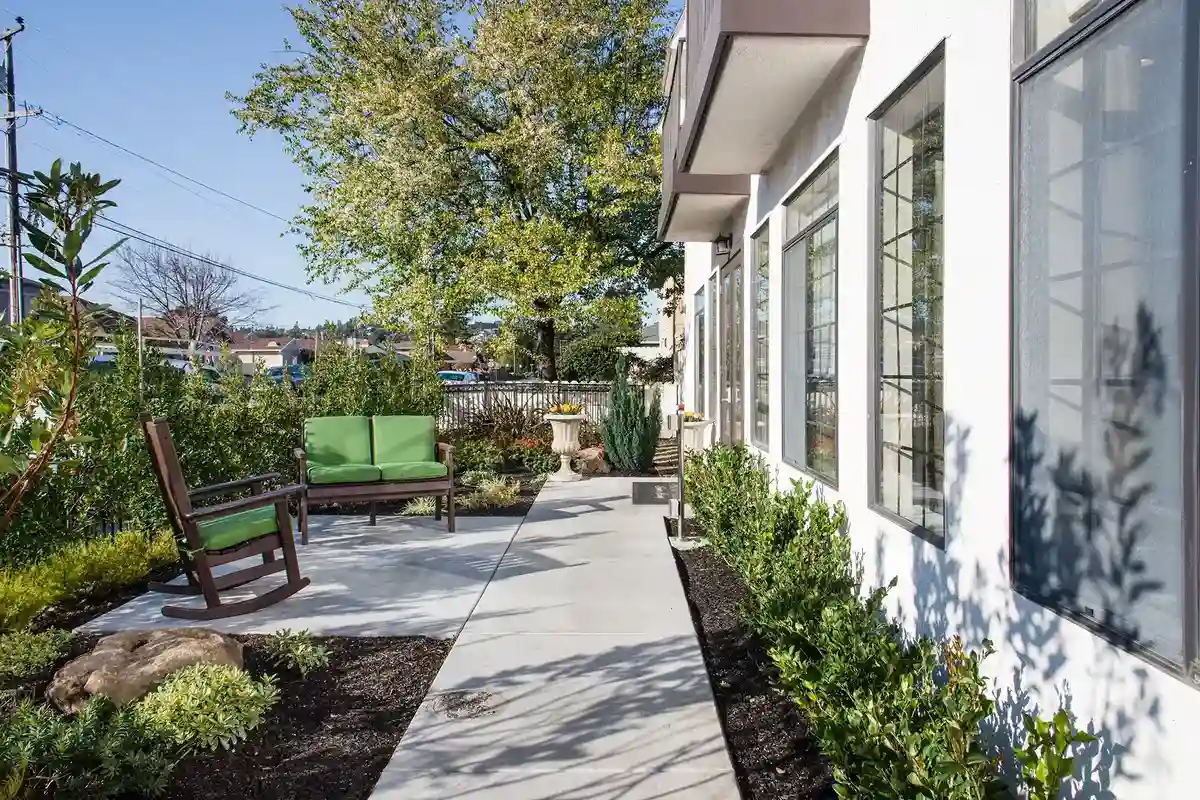
Outdoor spaces are equally important for wellbeing. Our secure gardens feature walking paths with rest areas, raised garden beds that residents can help tend, and covered areas for outdoor activities regardless of the weather. The gardens feature a diverse array of plants selected for their sensory appeal, flowers with pleasant scents, herbs that can be both touched and smelled, and bird feeders that attract wildlife for entertainment.
Safety features throughout our outdoor areas include secure perimeters that don’t feel restrictive, adequate lighting for evening strolls, and weather-resistant furniture positioned in both sunny and shaded areas.
Supporting Families Through Every Step of the Journey
Resources and Education for Family Members
Watching a loved one navigate memory loss can be one of life’s most challenging experiences. Families often feel overwhelmed by the complexity of the disease, guilty about care decisions, and grieved by the losses they’re witnessing. At Carefield Castro Valley, we recognize that supporting families is a vital part of delivering exceptional memory care.
Our family education programs help relatives understand what their loved one is experiencing and how they can best provide support. These sessions cover topics like communicating with someone who has dementia, managing challenging behaviors, and understanding the progression of the disease.
We also provide resources on legal and financial planning, connecting families with elder law attorneys, financial planners specializing in long-term care, and other professionals who can help navigate the complex decisions that often accompany a dementia diagnosis.
Support groups offer opportunities for families to connect with others who are facing similar challenges. These groups provide both practical advice and emotional support, helping family members realize they’re not alone in their journey.
Regular Communication and Care Updates
Transparency and communication are fundamental to the trust that families place in our community. At Carefield Castro Valley, we maintain open lines of communication through multiple channels to ensure families stay informed and involved in their loved one’s care.
Scheduled care conferences provide formal opportunities to discuss your loved one’s progress, any changes in condition, and updates to their care plan. These meetings include relevant staff members and provide families with an opportunity to ask questions and offer input on care decisions.
Daily communication logs and regular phone calls keep families informed about day-to-day experiences. We’ll call to share particularly good days, discuss any concerning changes, or simply to let you know about something special your loved one has experienced.
Our online family portal allows families to access photos from activities, read daily notes from caregivers, and stay connected with community life even when they can’t visit in person.
Navigating the Emotional Aspects of Memory Care Placement
The decision to move a loved one to memory care often comes with significant emotional challenges. Families may feel guilty about not being able to provide care at home, anxious about how their loved one will adjust, and grieved by the changes they’re witnessing.
Our social services team provides counseling and support to help families process these difficult emotions. We help families understand that choosing professional memory care is often the most loving decision they can make, providing specialized care that can improve quality of life and potentially slow the progression of symptoms.
We also work with families to maintain meaningful connections despite changes in their living situation. This might involve helping families identify the best times to visit when their loved one is most alert and engaged, suggesting activities they can share during visits, or finding ways to incorporate family traditions into community life.
Support Groups and Family Events
Our monthly family support groups provide opportunities for relatives to share experiences, learn from each other, and receive guidance from our professional staff. These groups often become important sources of friendship and mutual support that extend beyond the meetings themselves.
Special events throughout the year bring families together for celebrations that honor our residents and strengthen community bonds. Holiday parties, birthday celebrations, and seasonal festivities provide opportunities for families to create new positive memories even as they navigate the challenges of dementia.
Educational workshops featuring guest speakers help families stay informed about advances in dementia care, legal and financial planning issues, and strategies for maintaining their own well-being while supporting a loved one with memory challenges.
Related Article: Family Involvement in Memory Care: Staying Connected at Park Visalia
Making the Transition: When and How to Choose Memory Care
Recognizing the Signs That Memory Care May Be Needed
One of the most difficult decisions families face is determining when a loved one can no longer safely live independently or when assisted living is no longer sufficient. The transition to memory care often becomes necessary when cognitive changes begin to impact safety, behaviors become challenging to manage, or the level of supervision required exceeds what can be provided in other settings.
Safety concerns might include leaving appliances on, getting lost while driving or walking, falling frequently, or having difficulty managing medications. These situations can put not only your loved one at risk, but potentially neighbors and the broader community as well.
Behavioral changes that might indicate the need for specialized memory care include increased agitation or anxiety, sleep disturbances, wandering behaviors, or resistance to care. These behaviors aren’t willful defiance, they’re symptoms of the disease that require specialized understanding and intervention.
Social isolation and depression can also signal that someone would benefit from the structured social environment and specialized programming available in memory care. The stimulation and engagement provided by professional memory care programs often help individuals maintain higher functioning levels than they might achieve in isolation.
Touring Our Facility and Meeting Our Team
Choosing a memory care community is one of the most important decisions a family will make. At Carefield Castro Valley, we encourage families to visit multiple times throughout the day to gain a comprehensive understanding of daily life in our community.
During your tour, pay attention to how staff members interact with residents. Do they speak respectfully? Do they seem to know residents as individuals? Are they patient when someone needs extra time or assistance? The quality of these interactions will tell you more about the community than any brochure or website.
Observe the residents themselves. Do they seem comfortable and engaged? Are they participating in activities that seem meaningful and appropriate? While it’s important to remember that you’re seeing just a snapshot of one moment, these observations can provide valuable insights into the community’s culture and approach to care.
Ask detailed questions about staffing levels, staff training, and how the community handles medical emergencies. Inquire about their approach to challenging behaviors and how they involve families in care decisions.
Financial Planning and Insurance Considerations
Memory care represents a significant financial investment, and understanding the costs and payment options is crucial for making informed decisions. Unlike some other types of healthcare, memory care is not typically covered by Medicare, though some long-term care insurance policies may provide partial coverage.
The cost of memory care varies depending on the level of services needed, the specific community chosen, and geographic location. At Carefield Castro Valley, we work with families to understand the financial aspects of care and explore all available options for funding.
Veterans and their spouses may be eligible for benefits through the VA’s Aid and Attendance program, which can help offset the cost of memory care. Some families find that selling a family home can provide funds for care while eliminating the stress of maintaining property.
Understanding Costs and Payment Options
Memory care costs typically include housing, meals, personal care services, medication management, and activities programming. Some communities charge additional fees for specific services, while others offer all-inclusive pricing that makes budgeting easier.
Private pay is the most common payment method for memory care, though some communities accept long-term care insurance or participate in certain Medicaid waiver programs. It’s important to understand exactly what services are included in the base rate and what might incur additional charges.
Financial planning for memory care should also consider the potentially long-term nature of the need. Unlike acute medical conditions, dementia is a progressive disease that may require care for many years. Working with financial advisors who understand long-term care planning can help families make decisions that protect their resources while ensuring quality care.
Ready to learn more about how Carefield Castro Valley can provide the specialized memory care your loved one deserves?
Contact us today to schedule a personalized tour of our memory care community and discover the difference our approach can make. You can reach out through our main Carefield Living contact form at carefieldliving.com/contact-us to learn more about our Castro Valley location. Don’t wait, let us help you find peace of mind knowing your loved one is receiving the expert care they need in a warm, supportive environment where their dignity, comfort, and quality of life remain our highest priorities.
Frequently Asked Questions
1. What is the difference between memory care and dementia care?
Memory care and dementia care are essentially the same thing, specialized care designed for individuals with Alzheimer’s disease, dementia, and related cognitive conditions. Some communities use these terms interchangeably. Memory care is a type of dementia care that focuses specifically on creating environments and programs that support individuals with memory-related challenges.
2. When should you put someone in memory care?
The decision to move someone to memory care typically becomes necessary when safety concerns arise, when behaviors become challenging to manage at home, or when the level of supervision needed exceeds what family members can provide. Signs might include getting lost, leaving appliances on, medication errors, social isolation, or increased agitation and confusion.
3. What is the meaning of memory care?
Memory care refers to specialized long-term care designed specifically for individuals with Alzheimer’s disease, dementia, and other memory-related conditions. It combines housing, personal care services, and therapeutic programming in a secure environment designed to maximize safety, comfort, and quality of life for people with cognitive impairment.
4. What is the average monthly cost for memory care?
Memory care costs vary significantly by location and level of services provided. In California, monthly costs typically range from $4,000 to $8,000 or more, depending on the specific community and care needs. At Carefield Castro Valley, we provide detailed cost information during tours and work with families to understand all available payment options.
5. How long do patients stay in memory care?
The length of stay in memory care varies significantly depending on individual circumstances, including the stage of dementia at admission, overall health, and the progression of the disease. Some residents may need memory care for a few years, while others may require care for a decade or more. Our goal is to provide excellent care and a high quality of life for as long as our residents call our community home.
Key Takeaways
- Specialized, compassionate care tailored to individual needs. Our approach recognizes that every person with dementia is unique, requiring individualized care plans that honor their history, preferences, and current abilities while addressing their specific challenges and safety needs.
- Highly trained staff with ongoing dementia care education. Our team members receive extensive training in evidence-based dementia care practices and participate in continuous education to stay current with the latest developments in memory care. This expertise translates to better outcomes and a higher quality of life for our residents.
- Safe, engaging environment designed specifically for memory care. Every aspect of our Castro Valley community has been carefully designed to support individuals with cognitive impairment, from secure walking paths and memory boxes to specialized lighting and calming color schemes that reduce confusion and promote well-being.
- Strong family support and communication systems. We understand that memory care affects the entire family, not just the individual with dementia. Our comprehensive family support includes regular communication, education programs, support groups, and multiple opportunities for meaningful involvement in your loved one’s care.
- Beautiful Castro Valley location with community connections. Our location in the scenic East Bay provides a peaceful, homelike setting with mild weather year-round and opportunities for community engagement that help our residents maintain connections to the world around them.